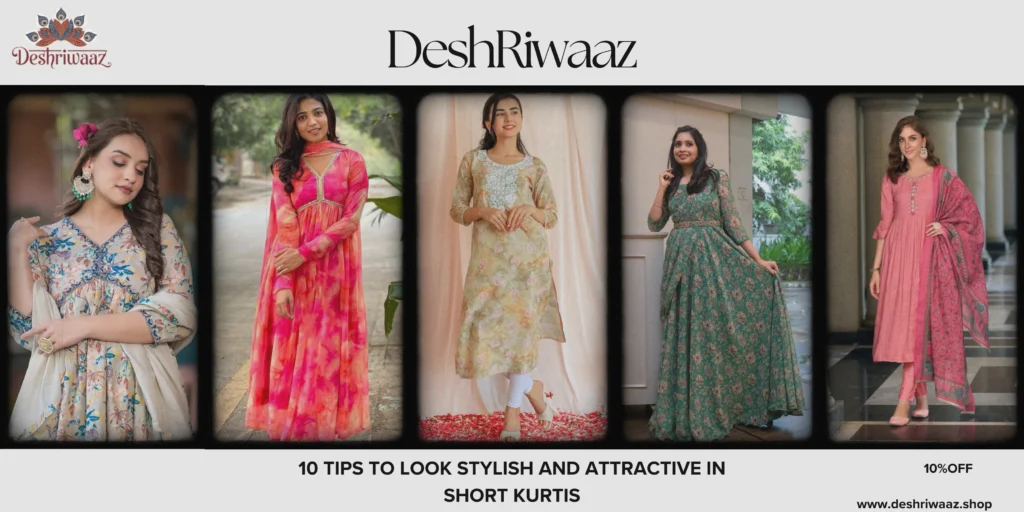
A well-chosen kurti is the wardrobe MVP: easy to style, comfortable across seasons, and effortlessly chic—without stretching the wallet. Moreover, this guide breaks down how to set a smart budget, pick the right fabrics, choose versatile styles, and shop savvy so every purchase feels worth it.
How to Set a Smart Kurti Budget
A clear budget keeps style and spending aligned with the occasion.
First, consider daily wear vs occasion wear: Keep higher budgets for embellished or jacket-style kurtis meant for festivities; on the other hand, opt for simpler cuts and prints for college, coffee runs, and office days to stay within limits.
Next, build a price ladder: Decide a ceiling for basics (e.g., everyday cottons/linens) and a separate cap for statement pieces so that you avoid impulse overspends.
Additionally, plan purchases by season: Allocate more for breathable pieces before summer and for richer textures before winter in order to get maximum wear per rupee.
For example: Buy 2–3 breathable cotton/linen kurtis for summer errands, and meanwhile, reserve a slightly higher budget for one embellished jacket-style kurti for festivals or weddings.
Fabric First: Comfort, Quality, and Value
Choosing the right fabric ensures durability and comfort—and above all, it’s the key to getting the most for the money.
Best for Summer and Daily Wear
- Cotton kurtis: Breathable, soft on skin, and great for daily use in hot, humid climates.
- Linen kurtis: Extra breathable, moisture-absorbent, and durable; ideal for very humid weather, though it wrinkles more and can cost slightly more than cotton.
- Cotton-linen blends: Balance breathability and softness with easier maintenance—a smart budget kurti shopping choice.
Tip: Prioritise cotton and linen in light colours and airy weaves for summer; they keep cool and pair well with leggings, jeans, or palazzos.
Monsoon and Quick-Dry Picks
- Rayon kurtis: Lightweight, breathable, and dries faster—good for rainy days and affordable kurti travel wardrobes.
Winter-Friendly Choices
- Silk and velvet kurtis: Add warmth and a luxe finish—better reserved for special occasions due to higher cost and care needs.
Equally important, check quality: Feel the fabric (should be smooth, not scratchy), check colourfastness, and ensure stitching is neat and secure at stress points like side seams and armholes.
For example: For a college wardrobe in humid weather, choose 2 cotton chikankari kurtis and 1 linen kurti—breathable, durable, and easy to re-style across bottoms.
Style Smarts: Versatile Designs That Stretch Your Wardrobe
Pick silhouettes and patterns you can repeat yet still avoid looking repetitive.
- Timeless prints and crafts: Chikankari, ikkat, block prints, florals, and tie-dye feel fresh across seasons and are easy to dress up or down.
- Wardrobe-flexible cuts: Straight-cut, A-line, and short kurti styles pair with jeans, trousers, palazzos, and churidars therefore maximizing outfit permutations.
- Day-to-night styling: Elevate simple kurtis with statement earrings, a structured bag, or a sequin dupatta for evenings, while still keeping the base kurti budget-friendly.
Example pairings:
- Straight cotton block-print kurti + cigarette trousers for office; then simply swap to palazzos and oxidized earrings for a dinner plan.
- Short chikankari kurti + jeans for coffee dates; likewise, layer with a light dupatta and kolhapuris for a festive brunch.
Fit and Finish: Small Details, Big Impact
Focus on the finish to spot value pieces quickly.
- Fit: Look for clean lines, shoulder seams that sit correctly, and hemlines that don’t twist—all of which are hallmarks of better construction.
- Stitching: Even seams and secure hems last longer, especially if rotating a smaller wardrobe.
- Embroidery and prints: For chikankari, check for neat, varied stitches and authenticity markers like GI tagging where available; in contrast, uniform, overly perfect stitches often indicate machine work.
For example: When buying chikankari, compare both sides of the fabric—the inside should also look tidy if the work is high quality.
Smart Shopping Strategies
Stretch each rupee with these buying tactics.
- Buy off-season: Shop linens and cottons at end-of-summer sales; pick velvet/silk closer to year-end events since markdown opportunities are higher.
- Prioritize staples first: Secure neutral everyday pieces (white, beige, pastel) before trend-heavy prints; that way, they re-style easily across bottoms and dupattas.
- Mix high-low: Pair a cheap kurti online find with a premium dupatta, or conversely, pair a premium kurti with a simple dupatta to upgrade the overall look affordably.
- Care to extend life: Follow wash care—gentle wash for cottons, careful handling for linens (accept natural creasing), and mindful storage for embroideries.
Example capsule (budget-conscious):
1 white cotton chikankari kurti, 1 pastel block-print straight kurti, 1 linen A-line kurti + 1 statement dupatta. Together, these rotate with jeans, palazzos, and churidars for 10+ distinct looks.
Occasion-Based Kurti Planning
- College/Work: Straight cotton/linen, subtle prints, knee-length for ease and polish.
- Casual Outings: Short kurtis with jeans or relaxed palazzos; furthermore, add floral or tie-dye for playful variety.
- Festive/Family Events: Jacket-style, embellished, or georgette chikankari for fluid drape and light-catching elegance; therefore, spend selectively here.
Example festive upgrade: A pale georgette chikankari kurti with soft lighting-friendly sheen for an evening function—dressy without heavy embellishment.
Quick Checklist Before Buying
- Fabric suits the season and care preference (cotton/linen for summer, rayon for monsoon, silk/velvet for events).
- Stitching and seams are neat; fabric feels comfortable on skin.
- Versatile design that pairs with multiple bottoms already owned.
- Price aligns with the occasion and expected number of wears.
FAQs

DeepakG is an entrepreneur with hands-on experience in women’s clothing. With a deep understanding of styles and trends, DeepakG has built a strong foundation in the fashion industry. Currently pursuing an MBA, DeepakG is combining academic knowledge with practical business experience to shape the vision of DeshRiwaaz—a brand dedicated to women’s clothing, jewellery, and handcrafted home décor. Passionate about blending tradition with modern elegance, DeepakG continues to explore innovative ways to celebrate India’s rich cultural heritage through fashion and lifestyle.